Digital intraoral scanning technology eliminates the need for traditional dental impressions by using a small wand-like device to create precise 3D models of your teeth in minutes. The result is a faster, more comfortable experience—and better-fitting retainers, clear aligners, and braces from the very first appointment.
If you’ve ever had a traditional dental impression taken, you know the feeling. A tray full of thick, putty-like material is pressed into your mouth, and you sit perfectly still for several minutes—trying not to gag—while it sets. For many patients, it’s the least enjoyable part of any orthodontic visit. Fortunately, it no longer has to be part of the process at all.
Digital scanning technology has reshaped how orthodontists like Dr. Kimberly Gragg approach treatment planning, appliance fabrication, and patient care. By replacing physical impressions with fast, non-invasive digital scans, modern orthodontic practices can deliver more accurate results with far less discomfort. For patients in Morganton and Lenoir, NC, this shift isn’t on the horizon—it’s already here.
This post breaks down how digital scanning works, why it produces better outcomes, and what it means for your retainers, clear aligners, and braces.
Key Takeaways
- Digital intraoral scanners eliminate the need for messy, uncomfortable physical impressions.
- 3D scan data improves the fit and accuracy of retainers, clear aligners, and other orthodontic appliances.
- Scan appointments are faster—often completed in just a few minutes per arch.
- Digital records are stored electronically, reducing waste and making follow-up care more efficient.
- Real-time 3D visualization helps patients understand their treatment plan from day one.

Why Traditional Impressions Fell Short
Traditional dental impressions have been used for decades, and for good reason—they work. But “works” and “works well” aren’t the same thing. According to the Journal of the American Dental Association, conventional impressions carry several well-documented disadvantages, including patient discomfort, inaccuracy, and the logistical burden of stocking physical materials and trays.
The gag reflex is the most commonly cited complaint. The putty material fills the mouth and can trigger an involuntary reaction, particularly in patients with dental anxiety or a sensitive gag reflex. Children, in particular, often find the experience distressing. Beyond comfort, the impression material itself can introduce errors. Internal bubbles, small tears, or improper mixing all compromise the final mold—and a compromised mold means a poorly fitting appliance.
For orthodontic practices, conventional impressions also demand significant time. The material must set, the tray must be removed carefully, and the physical mold must be shipped to a lab for processing. If the impression is rejected due to quality issues, the whole process starts over. That’s extra appointments, extra delays, and extra frustration for everyone involved.
How Do Intraoral Scanners Actually Work?
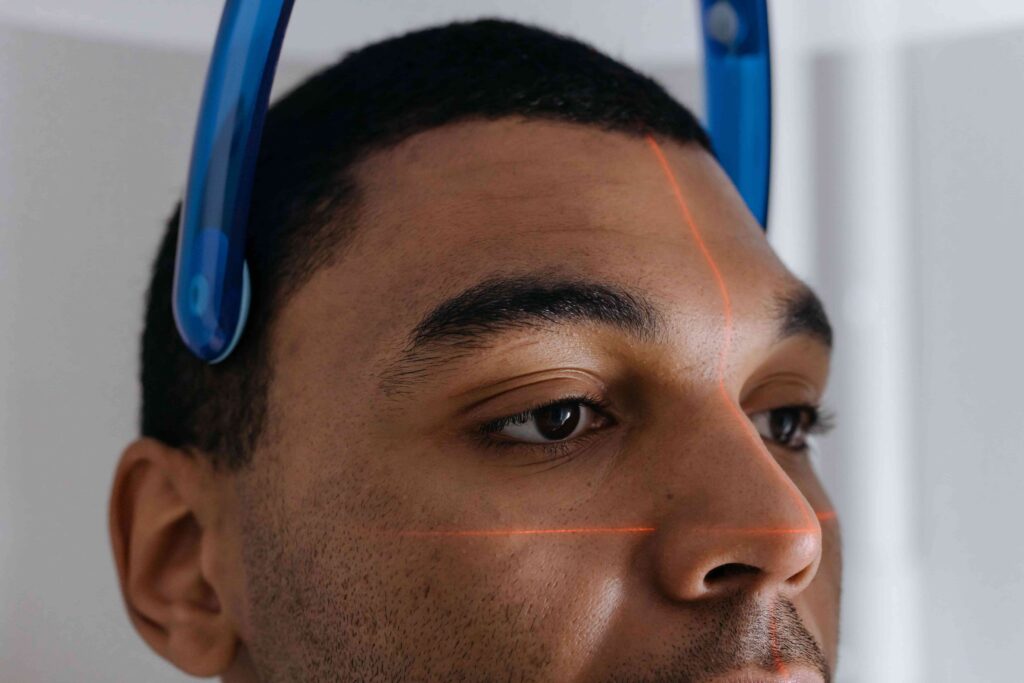
Intraoral scanners—such as the iTero Element or 3Shape TRIOS—use a small, handheld wand equipped with a light source and camera to capture thousands of images per second from inside the mouth. As the orthodontist moves the wand along the teeth and gum line, specialized software stitches those images together in real time, producing a precise, full-color 3D digital model.
The entire process is non-invasive. Nothing is pressed onto the teeth, nothing needs to set, and there’s no mess. Most full-arch scans take just a few minutes to complete. The resulting digital file is immediately available for treatment planning, appliance design, or lab fabrication—no physical shipping required.
The 3D models generated by these scanners also provide diagnostic value beyond what a physical mold can offer. Orthodontists can rotate, zoom, and analyze the digital model from any angle, measure distances precisely, and overlay planned tooth movements to simulate treatment outcomes. For patients, this means being able to see exactly what their smile could look like before treatment even begins.
At Gragg Orthodontics, this technology supports both clear aligner treatment and Damon Braces—ensuring each patient’s treatment plan is built on accurate, high-resolution data from the start.
What This Means for Patient Comfort and Appointment Time
The comfort improvements are significant—and not just for patients who gag. Digital scanning removes the claustrophobic pressure of putty-filled trays, eliminates the unpleasant taste of impression materials, and drastically reduces the time patients spend in the chair during the data-collection phase of their appointment.
A published comparative study in ScienceDirect (2022) found that patients reported higher comfort levels and greater overall acceptance of digital impressions compared to conventional techniques. The findings aligned with years of clinical observation: when patients are more comfortable, they’re more engaged and more likely to follow through with treatment.
For busy families and working adults, reduced appointment times matter. Digital scans mean fewer visits to collect the data needed for appliances, and because the scan data is processed digitally, turnaround times from lab fabrication are often faster too. That adds up to a smoother, more efficient treatment experience overall—which is one of the reasons Gragg Orthodontics has invested in this technology as part of their commitment to top-tier care.
How Digital Scans Improve the Fit of Retainers and Appliances
One of the most tangible benefits of digital scanning is the improvement in how well orthodontic appliances fit. This matters for every type of appliance—but it’s especially critical for retainers, where even a small inaccuracy can allow teeth to shift over time.
Physical impressions introduce a chain of potential errors: the material shrinks slightly as it sets, the mold can distort when removed, and the lab technician has to work from a physical object rather than precise digital coordinates. Each step introduces variability. Digital scans, by contrast, capture the exact geometry of the teeth and transmit that data directly to the fabrication software—cutting out the most error-prone steps entirely.
For clear aligner treatment, scan accuracy is even more consequential. Each aligner in a series is designed to move teeth by a fraction of a millimeter. A poorly captured starting point throws off every subsequent tray. With digital scanning, clear aligner fabrication begins with a verified, high-resolution baseline that makes each stage of movement more predictable.
The same principle applies to Damon Braces. Digital records allow for more precise bracket placement planning, better communication between the orthodontist and lab, and a more accurate picture of treatment progress at every checkup.
Benefits for Orthodontists: Precision, Workflow, and Recordkeeping
The advantages of digital scanning aren’t limited to what patients experience in the chair. From a clinical standpoint, intraoral scanners streamline nearly every part of the workflow.
Treatment planning becomes more accurate when it’s based on dimensional digital data. Orthodontists can simulate tooth movement, plan bracket positions, and anticipate outcomes with greater confidence. When scan data is combined with digital X-rays and facial photographs, the result is a comprehensive diagnostic picture that would have been impossible to assemble from physical models alone.
Digital records also simplify communication with dental labs. Instead of shipping fragile physical molds—which can be damaged in transit or degraded over time—practices transmit precise digital files directly. Errors that previously required a patient to return for a new impression can often be resolved by re-examining the scan data or requesting a reprint from the digital model.
From a recordkeeping perspective, digital scans are stored indefinitely and accessed instantly. At any point during or after treatment, Dr. Gragg and her team can compare current scans against the original baseline to track tooth movement, evaluate retainer fit, or plan for any additional treatment needs.
What’s Next for Orthodontic Scanning Technology?
Digital scanning is already transforming orthodontic care—but the technology continues to evolve rapidly. Artificial intelligence is being integrated into scanning platforms to automate tooth segmentation, flag potential issues, and even generate preliminary treatment simulations without manual input from the orthodontist. This reduces chair time further and allows clinicians to focus on decision-making rather than data entry.
Tele-orthodontics is another area of growth. Remote monitoring tools now allow patients to submit photos or scan data from home between appointments, giving orthodontists a continuous view of treatment progress. Combined with digital scans taken in-office, this creates a more connected, responsive care model.
Personalized treatment planning will also become more sophisticated. As AI learns from larger datasets of scan results and treatment outcomes, it will increasingly be able to predict how individual patients’ teeth will respond to specific interventions—making already-precise treatment plans even more targeted.
Frequently Asked Questions
Q: Are digital intraoral scans safe for patients of all ages?
A: Yes. Intraoral scanners use near-infrared or structured light technology—not X-rays or radiation. The scanning wand is simply moved along the teeth, making the process safe and appropriate for children, teens, adults, and elderly patients alike. There are no known side effects or contraindications for the vast majority of patients.
Q: How long does a digital orthodontic scan take?
A: Most digital scans are completed in two to five minutes per arch, depending on the complexity of the case. A full scan of both arches typically takes under ten minutes from start to finish—significantly faster than a traditional impression appointment, which requires additional time for the material to set and be removed.
Q: Can I see my results right away after the scan?
A: Yes. One of the major advantages of digital scanning is real-time visualization. As the orthodontist captures the scan, a 3D model builds on screen. Once the scan is complete, Dr. Gragg can walk you through your digital model, discuss what she observes, and in many cases show a simulation of your potential treatment outcome during the same appointment.
Q: Will a digital scan improve how well my retainer fits?
A: Digital scans produce a precise, three-dimensional record of your teeth that is transmitted directly to the lab for fabrication—without the dimensional loss or distortion that can occur with physical impressions. The result is a retainer that conforms more accurately to your unique tooth geometry, which helps it perform better and last longer.
Q: What if I have crowding or complex tooth positioning—will the scanner still work?
A: Yes. Modern intraoral scanners are designed to handle complex cases, including significant crowding, overlapping teeth, and difficult-to-reach areas. Orthodontists trained in digital scanning techniques can capture accurate data even in challenging anatomical situations, and the software is built to stitch together detailed images from multiple angles.
The Digital Difference Starts With Your First Appointment
Digital scanning isn’t just a convenience upgrade—it’s a fundamental improvement in how orthodontic care is delivered. Patients get a faster, more comfortable experience. Retainers and appliances fit better. Treatment plans are built on more reliable data. And the entire care journey, from consultation to final retainer fitting, is more precise at every step.
At Gragg Orthodontics, Dr. Kimberly Gragg and her team have embraced this technology because they believe every patient deserves accurate, efficient, and comfortable care. From your first scan to your final follow-up, that commitment to precision shapes every decision.
Ready to experience the difference for yourself? Request a consultation at Gragg Orthodontics in Morganton or Lenoir, NC, and take the first step toward a smile built on the most advanced orthodontic technology available.