Many people notice a slight shift in their smile years after completing their orthodontic treatment. They rummage through their bathroom drawers, dust off their original plastic trays, and wonder if popping them back in will solve the problem. After all, those appliances kept everything perfectly aligned in the past. But can old retainers straighten teeth once they have drifted out of place?
Unfortunately, trying to force your teeth back into a previous mold is generally ineffective. More importantly, attempting to use an old retainer to straighten teeth can cause significant harm to your roots, gums, and overall dental health. Understanding how these appliances work is the first step in protecting your smile.
Key Takeaways
- Retainers are designed to hold teeth in their current position, not to move them.
- Forcing an ill-fitting, old retainer onto shifted teeth can cause severe damage to your gums and tooth roots.
- If your retainer feels painfully tight, you should stop wearing it and consult an orthodontic professional immediately.
- Minor shifts might be correctable with new retainers, while more noticeable relapse may require clear aligners or Damon Braces.

The purpose of retainers
To understand why an old appliance might not work, it helps to know exactly what it was designed to do. Orthodontic treatment generally happens in two phases. The first is the active phase, where braces or aligners apply gentle, constant pressure to move your teeth into proper alignment. The second is the retention phase.
What are retainers, and why are they necessary?
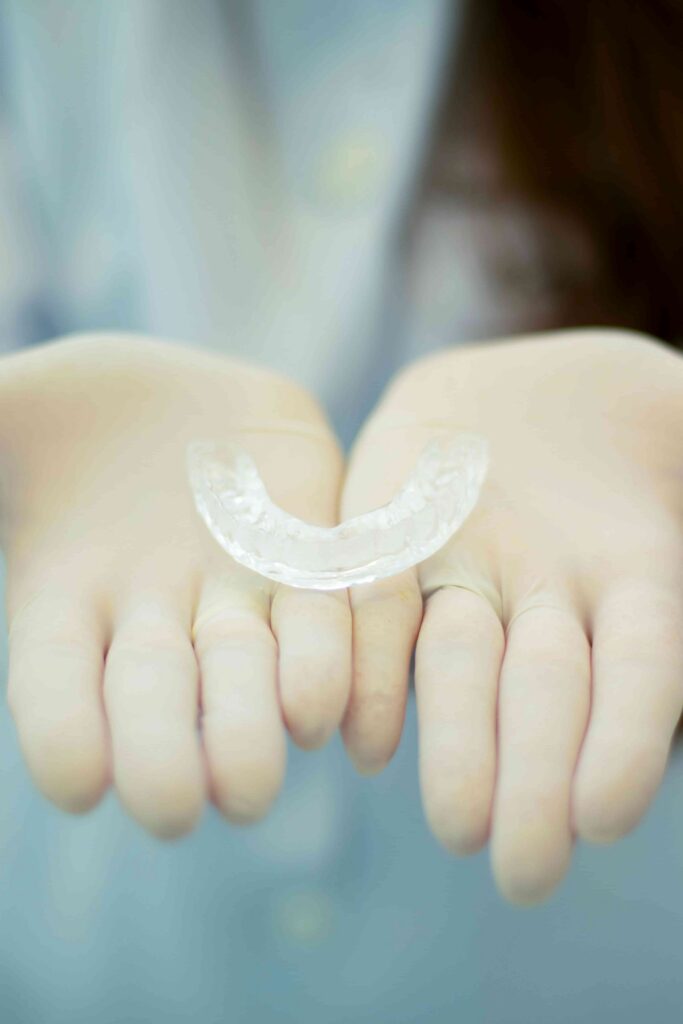
Once your braces come off or you finish your final set of aligners, your teeth need time to settle into the jawbone. Retainers are custom-made devices created to hold your teeth exactly where they are.
They do not have the specialized mechanisms required to shift teeth safely.
How retainers prevent relapse
Teeth have a natural tendency to drift back toward their original positions, a process known as orthodontic relapse. Wearing your retainer exactly as prescribed allows the bone and surrounding ligaments to solidify around the new tooth positions.
Consistent wear is the only way to ensure your smile remains straight for a lifetime.
Why old retainers won’t work (and could harm your teeth)
If you stop wearing your appliance for an extended period, your teeth will inevitably shift. When this happens, your old retainers will no longer match the current layout of your mouth.
Teeth shift naturally over time
Even without a history of braces, the human mouth changes as we age. Jaws naturally narrow, and teeth tend to crowd forward.
If you have gone months or years without wearing your retention device, your teeth have likely drifted significantly.
Retainers are custom-made for a specific tooth position
Your original retainer was manufactured based on a highly precise impression or scan of your mouth taken immediately after your active treatment ended. It is an exact replica of that specific moment in time.
It lacks the advanced design required to safely guide shifted teeth back to that previous state.
Trying to force teeth with an ill-fitting retainer
When you try to jam an old piece of plastic over teeth that have moved, you are applying uncontrolled, excessive force. This can lead to a variety of serious dental problems.
Potential for damage to roots, gums, and existing dental work
Excessive force can severely irritate your gums, leading to inflammation and recession. It can also damage the periodontal ligaments that hold your teeth in place, or even harm existing dental work like fillings and crowns.
Uneven pressure leading to new bite problems
Because the appliance no longer fits properly, it will push on certain teeth much harder than others. This uneven pressure can create entirely new bite alignment issues, making your orthodontic problems worse than before.
Risk of tooth resorption or loosening
The most dangerous risk of applying improper force to your teeth is root resorption. This is a condition where the body begins to break down and absorb the root structure of the tooth. In severe cases, this can cause the tooth to become loose and eventually fall out.
When is an “old” retainer still usable?
There is a small window where an older appliance might still be helpful, but you must proceed with extreme caution.
Very minor, recent shifts
If you only forgot to wear your appliance for a few days, or perhaps a week, you might feel a slight tightness when you put it back in. In cases of very minor, recent shifting, the retainer might gently coax the teeth back into their ideal spots.
Distinguishing between a slightly snug fit and a truly ill-fitting retainer
A safe fit might feel slightly snug for a few hours. However, if you have to use excessive force to seat the tray, or if you experience sharp pain when you put it in, it no longer fits. You should never force an appliance over your teeth.
The importance of professional assessment
You should never guess when it comes to your dental health. If you are unsure whether your appliance still fits safely, bring it to an orthodontist. A professional can quickly assess the fit and tell you if it is safe to continue wearing.
What to do if your teeth have shifted
If your teeth have moved and your appliance no longer fits, the worst thing you can do is try to fix the problem yourself.
Don’t try to fix it yourself
DIY orthodontics can cause irreversible damage to your smile. Leave the tooth movement to the experts. Put the old plastic tray away and pick up the phone.
Schedule a consultation with an orthodontist
If you live in Morganton or Lenoir, NC, your best course of action is to schedule a consultation at Gragg Orthodontics. Dr. Kimberly L. Gragg and her team have been setting the highest standards of excellence in orthodontics since 2002. Dr. Gragg will carefully examine your teeth, assess the degree of relapse, and map out a safe, effective treatment plan.
Discussion of potential solutions
Depending on how much your teeth have moved, Dr. Gragg might recommend a few different paths to restore your full, beautiful smile.
New retainers
If the shifting is incredibly minor, you may simply need a new set of retainers made to fit your current tooth alignment. This prevents any further drifting and protects your smile from worsening.
Minor adjustments with clear aligners
For moderate shifting, clear aligners are often a perfect solution. These subtle, convenient trays can quickly guide your teeth back into place without the need for traditional brackets.
Re-treatment options
If significant relapse has occurred, a brief period of re-treatment might be necessary. Gragg Orthodontics offers Damon Braces, which use advanced tie-less brackets to move teeth more comfortably and efficiently than traditional braces.
Frequently asked questions
Q: How do I know if my retainer is too tight?
A: A properly fitting appliance should feel secure but not painful. If you feel sharp pain, if the tray won’t seat fully over your teeth without immense pressure, or if your gums turn white when you put it in, it is too tight and should be removed immediately.
Q: How much does it cost to replace a lost or broken retainer?
A: The cost varies depending on the type of appliance you need. During a consultation, your orthodontic team can provide a clear breakdown of replacement costs. Gragg Orthodontics offers affordable in-house plans to make maintaining your smile easy.
Q: Can I buy a replacement retainer online?
A: While mail-order companies exist, they bypass the crucial step of professional supervision. Without an orthodontist examining your bite and jaw health, you risk receiving an appliance that does not fit properly, which can cause long-term damage to your teeth.
Protecting your Gragg smile for a lifetime
Using an old retainer to straighten teeth is a risky gamble that rarely pays off. Instead of forcing your smile into a piece of plastic that no longer fits, prioritize the long-term health of your teeth and gums.
If you have noticed your teeth shifting, the safest and most effective solution is to consult a professional. Dr. Kimberly L. Gragg and the dedicated team at Gragg Orthodontics are here to help you achieve and maintain a smile you are proud to share. Contact our Morganton or Lenoir offices today to schedule a consultation and get your smile back on track.